Type 1 Diabetes
Type 1 Diabetes is a chronic condition that affects millions worldwide. It develops when the pancreas stops producing insulin. As a result, the body cannot regulate blood sugar levels effectively. Although it can occur at any age, it often appears during childhood or adolescence. Early diagnosis and proper management help individuals lead healthier and more balanced lives.
Type 1 Diabetes is an autoimmune disorder. The immune system mistakenly attacks insulin-producing beta cells in the pancreas. Without insulin, the body cannot convert glucose into energy. This leads to high blood sugar levels, which can cause serious complications. Unlike Type 2 Diabetes, lifestyle factors do not cause Type 1. Genetics and environmental triggers often play a major role.
Causes and Risk Factors
Researchers continue to study the exact cause. Still, several factors increase the risk. Genetics is one major influence, and a family history raises the chances. Viral infections may trigger the immune system to attack healthy cells. Environmental factors also contribute, although the reasons remain unclear. While these risks exist, the condition is not preventable.
Common Symptoms
The symptoms usually appear quickly. Increased thirst is often one of the earliest signs. Frequent urination follows as the body tries to remove excess sugar. Sudden weight loss is another common symptom. Persistent hunger, fatigue, and blurry vision also occur. Children may become more irritable or experience bed-wetting. Recognizing these signs early is important for quick treatment.
Diagnosis and Medical Evaluation
Doctors use several tests to confirm the condition. A fasting blood sugar test checks glucose levels after a period without food. An A1C test measures average blood sugar over a few months. Sometimes, antibody tests detect the autoimmune response linked to the disease. Once diagnosed, treatment must begin quickly to stabilize blood sugar levels.
Insulin Therapy and Daily Management
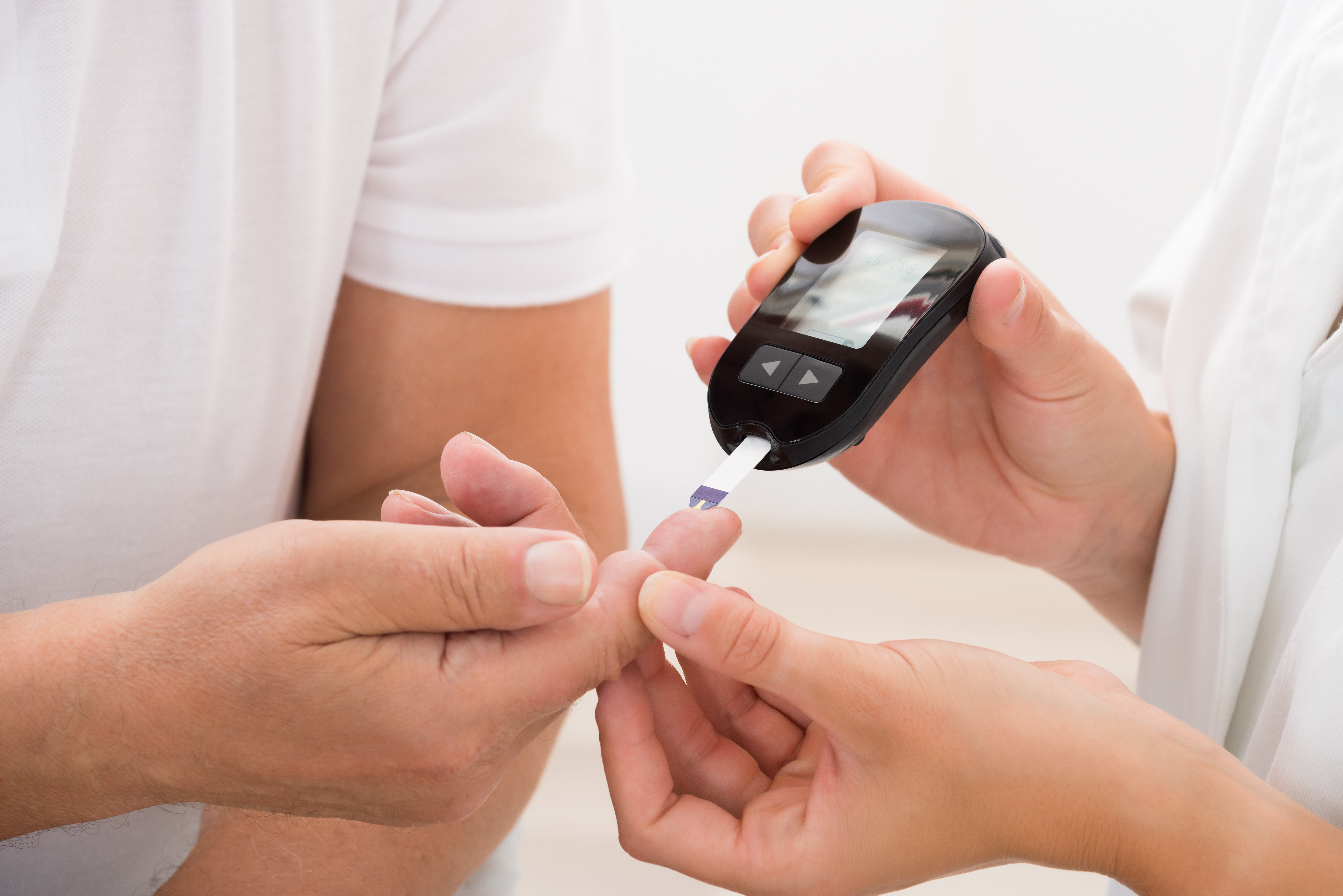
Insulin therapy is essential for survival. People with Type 1 Diabetes must take insulin daily. It can be injected or delivered through an insulin pump. Monitoring blood sugar levels helps adjust doses as needed. Many individuals use continuous glucose monitors for better control. These tools help reduce complications and support a more active lifestyle.
Healthy Nutrition for Better Control
Nutrition plays a crucial role in managing the condition. Balanced meals help stabilize blood sugar levels. Carbohydrate counting allows individuals to match insulin doses with food intake. Lean proteins, whole grains, and fresh vegetables support better health. Limiting sugary foods helps prevent spikes. Small and well-planned meals keep glucose levels steady throughout the day.
Exercise and Physical Activity
Regular physical activity improves overall health. It helps the body use insulin more effectively. Walking, cycling, or swimming are excellent choices. Exercise also reduces stress and boosts energy levels. Still, individuals must monitor their glucose before and after activity. Adjusting snacks or insulin may be necessary to prevent low blood sugar.
Possible Complications
Uncontrolled blood sugar can lead to serious complications. Nerve damage is common when glucose remains high. Eye problems can develop and may affect vision. Kidney damage is another major concern. Heart disease risk also increases. With proper management, many of these complications can be reduced or delayed.
Living Well With Type 1 Diabetes
Modern treatment options help people live active and fulfilling lives. Education and awareness empower individuals to manage the condition confidently. Support from healthcare providers, family, and communities makes a significant difference. With discipline and regular monitoring, long and healthy lives are possible.
Type 1 Diabetes requires lifelong care. However, early diagnosis and consistent management make the condition easier to handle. With the right approach, individuals can maintain stability, reduce complications, and enjoy a vibrant life every day.