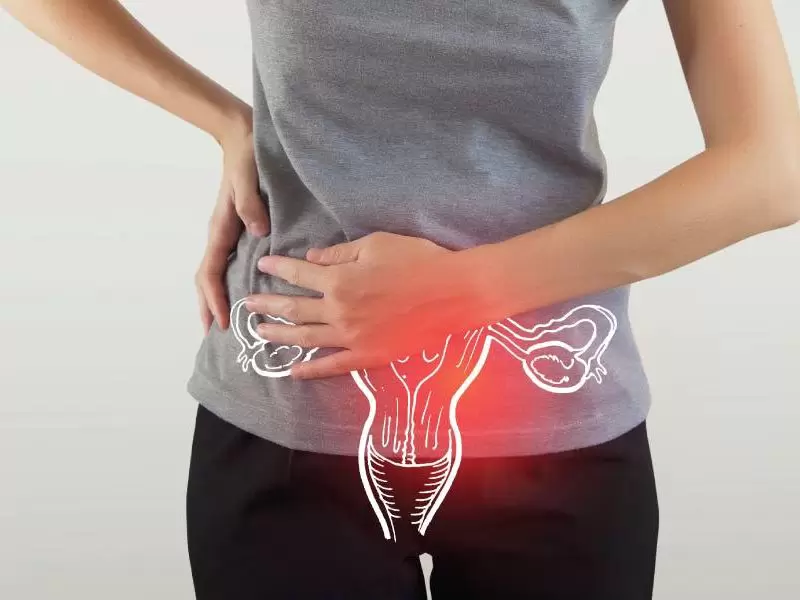
PCOS/ PCOD Care
PCOS and PCOD are common hormonal disorders that affect millions of women worldwide. Both conditions impact reproductive health and overall wellness. Early care helps prevent complications and improves long-term quality of life. Understanding these conditions supports better decisions and effective treatment.
What Are PCOS and PCOD?
PCOS stands for Polycystic Ovary Syndrome, while PCOD refers to Polycystic Ovary Disease. Both involve hormonal imbalance and irregular ovulation. Women may develop small cysts in the ovaries. These issues affect menstrual cycles, fertility, and metabolism. Proper management helps reduce symptoms and support hormonal balance.
Common Causes of PCOS/PCOD
- Hormonal imbalance, especially elevated androgens
- High insulin levels promoting excess androgen production
- Genetic predisposition or family history
- Chronic stress disrupting hormone cycles
- Poor lifestyle habits (sedentary behavior, unhealthy diet)
- Systemic inflammation increasing metabolic risk
Major Symptoms to Identify Early
- Irregular or missed menstrual periods
- Excess facial or body hair (hirsutism)
- Unexplained weight gain or difficulty losing weight
- Persistent acne or skin breakouts
- Thinning hair or hair loss on the scalp
- Mood swings, fatigue, or low energy
How PCOS/PCOD Affects Women’s Health
- Increased risk of infertility due to irregular ovulation
- Higher likelihood of insulin resistance and type 2 diabetes
- Challenges with weight management and metabolic syndrome
- Emotional and mood disturbances related to hormonal shifts
- Skin issues such as acne and pigmentation
Diagnosis and Medical Evaluation
- Detailed medical and menstrual history review
- Blood tests to measure hormone and metabolic markers
- Pelvic ultrasound to check for ovarian cysts
- Physical examination to assess clinical signs
- Follow-up testing as needed to tailor treatment
Effective Treatment Options for PCOS/PCOD
- Lifestyle modification (diet, exercise, stress reduction)
- Medications to regulate menstrual cycles
- Hormonal therapies to lower excessive androgens
- Insulin-sensitizing drugs to improve metabolism
- Weight management programs and personalized care plans
Diet and Lifestyle Tips for Better PCOS/PCOD Care
- Choose a balanced, low-glycemic diet to stabilize insulin
- Emphasize high-fiber foods and lean proteins
- Limit sugary, processed and refined-carbohydrate foods
- Engage in regular physical activity (cardio + strength)
- Prioritize sleep and stress-management techniques
- Stay hydrated and avoid excessive caffeine/alcohol
Prevention and Long-Term Health Strategies
- Maintain regular exercise and healthy eating habits
- Monitor weight and metabolic markers regularly
- Manage stress through mindfulness or counseling
- Have routine medical check-ups and blood tests
- Be vigilant if there is a family history of PCOS
When to Seek Medical Support
- Severe pelvic pain or very heavy periods
- Sudden, rapid weight gain or unexplained weight changes
- Rapid onset of excessive hair growth or sudden hair loss
- Missing periods for several months or fertility concerns
- Any new or worsening symptoms affecting daily life