Diabetes Doctor in South Delhi
Diabetes
Diabetes is a chronic health condition that affects how the body turns food into energy. Your body either doesn’t make enough insulin or can’t use it effectively. Insulin acts like a key, helping sugar move from the bloodstream into your cells. Without proper insulin function, sugar stays in the blood, causing various health issues. Think of it as a traffic jam—glucose can’t reach its destination, so the roads (your blood vessels) suffer.
Why Diabetes Is a Growing Global Concern
With changing lifestyles, urbanization, and dietary habits, diabetes is increasing globally at an alarming rate. Millions of people are being diagnosed every year, and many others remain undiagnosed. It impacts not only physical health but also financial and emotional well-being.
Types of Diabetes
Type 1 Diabetes
Type 1 diabetes is an autoimmune condition where the body mistakenly attacks insulin-producing cells. People with Type 1 require insulin injections throughout their lives. It typically appears in children or young adults but can develop at any age.
Type 2 Diabetes
This is the most common type. In Type 2 diabetes, the body becomes resistant to insulin or doesn’t produce enough. Poor lifestyle habits, genetics, and obesity are major contributors. While it develops slowly, early diagnosis can prevent complications.
Gestational Diabetes
This occurs during pregnancy when hormonal changes affect insulin usage. It usually resolves after childbirth, but it increases the mother's and baby's risk of developing Type 2 diabetes later.
Prediabetes
Prediabetes means blood sugar levels are higher than normal but not high enough to be considered diabetes. It’s a critical warning stage—taking action now can reverse the condition.
Causes and Risk Factors
- Genetic Factors
Family history plays a significant role. If your parents or siblings have diabetes, your chances increase. - Lifestyle Factors
Sedentary lifestyles, poor diet choices, excessive sugar intake, and being overweight are major contributors. - Age and Biological Factors
As you age, your risk increases. Hormonal changes and other health conditions like high blood pressure can also raise risk levels.
Symptoms of Diabetes
Early Warning Signs
- Excessive thirst
- Frequent urination
- Increased hunger
- Fatigue
- Blurry vision
These signs often develop subtly, which is why many people overlook them.
Advanced Symptoms
If left untreated, diabetes can lead to unexplained weight loss, slow wound healing, frequent infections, and numbness in hands or feet.
How Diabetes Affects the Body
High blood sugar can damage vital organs, including the heart, kidneys, eyes, and nerves. Over time, this can lead to serious complications like kidney failure, vision loss, and nerve damage.
- Heart disease
- Stroke
- Neuropathy
- Skin conditions
- Dental issues
Diagnosis of Diabetes
Common tests used to diagnose diabetes include:
- Fasting blood sugar test
- A1C test
- Oral glucose tolerance test (OGTT)
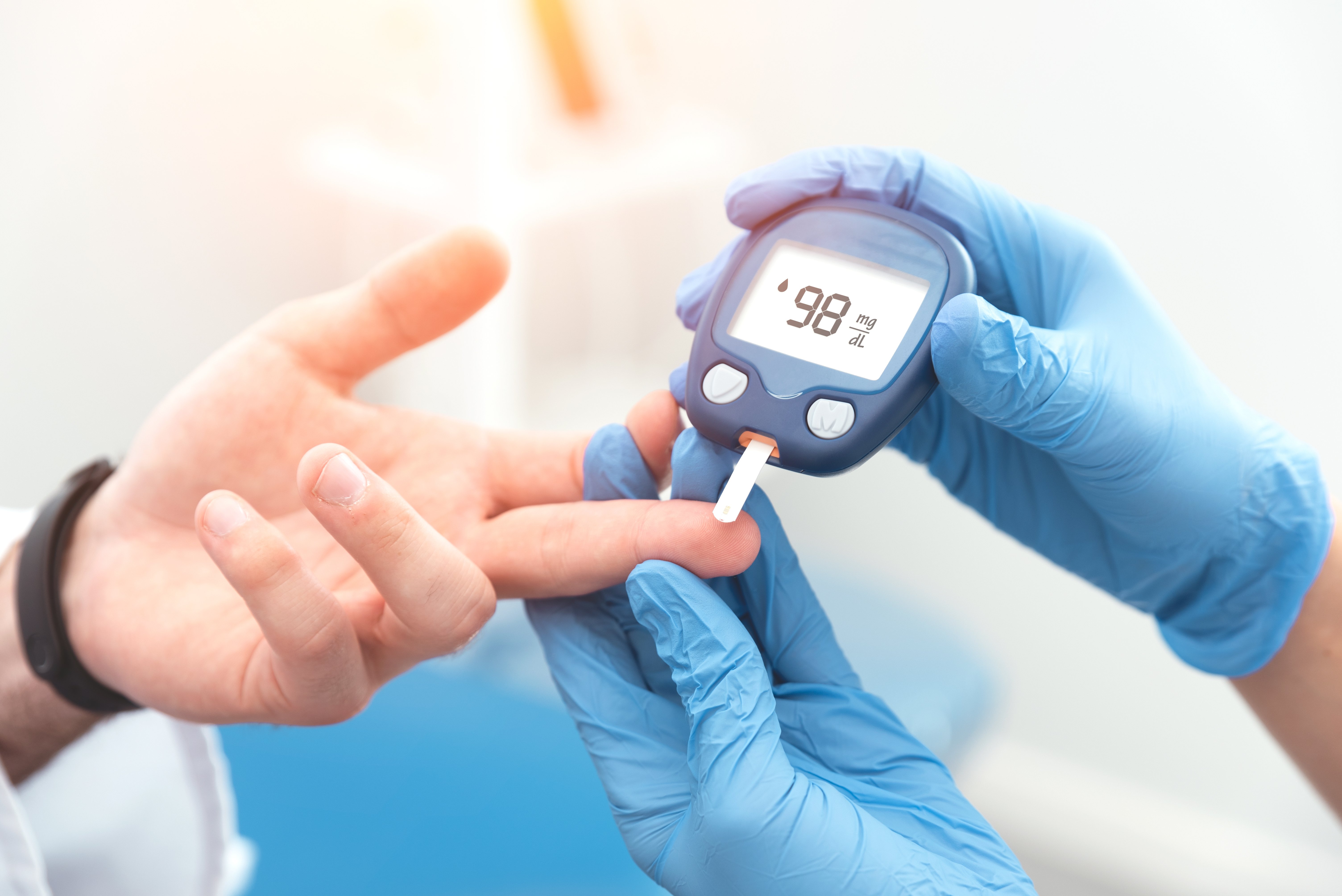
Understanding blood sugar ranges is important. For example, a normal fasting blood sugar is typically below 100 mg/dL.
Diabetes Management
- Medication and Insulin Therapy
Type 1 requires insulin. Type 2 may be managed with oral medications or insulin as needed. - Diet and Nutrition
A balanced diet focused on whole grains, vegetables, lean proteins, and low-sugar foods helps control blood sugar. - Exercise and Physical Activity
Regular activity helps the body use insulin more efficiently; even a 30-minute daily walk can help. - Stress Management
Chronic stress can raise blood sugar. Techniques like meditation, yoga, and deep breathing are beneficial.
Prevention Strategies
- Lifestyle Modifications
Adopt a healthy diet, stay active, maintain a healthy weight, and get adequate sleep. - Regular Health Checkups
Routine screenings help detect diabetes early; early detection leads to better outcomes.
Living with Diabetes
- Mental and Emotional Health
Emotional support from family, friends, and healthcare professionals helps manage the condition. - Creating a Healthy Routine
Establish consistent meal times, exercise, medication schedules, and stress-reduction practices.
Latest Advances in Diabetes Treatment
- Technology and Monitoring Devices
Smart insulin pens, continuous glucose monitors (CGMs), and connected health tools are improving care. - Research and Future Trends
Research continues into artificial pancreas systems, new medications, and potential cures.