Thyroid Problems
Thyroid problems affect millions of people worldwide. These conditions disrupt hormonal balance and impact overall health. When the thyroid gland fails to work properly, the entire body experiences changes. Early diagnosis offers better control and long-term relief.
Thyroid problems occur when the thyroid gland produces too much or too little hormone. These hormones regulate metabolism, energy, and many body functions. When the gland becomes overactive, it leads to hyperthyroidism. In contrast, reduced hormone production leads to hypothyroidism. Both conditions require proper medical attention.
Common Causes of Thyroid Disorders
Several factors contribute to thyroid issues. Genetics play a major role for many people. Autoimmune diseases also trigger thyroid dysfunction. Stress and poor diet can worsen these conditions. Sometimes medication side effects affect the thyroid. In some cases, iodine deficiency can lead to serious hormonal imbalance. Early detection can prevent complications.
Key Symptoms to Watch For
- Hyperthyroidism: Anxiety, restlessness, unexpected weight loss, rapid heartbeat, heat intolerance.
- Hypothyroidism: Fatigue, weight gain, dry skin, hair loss, slow heart rate, cold intolerance.
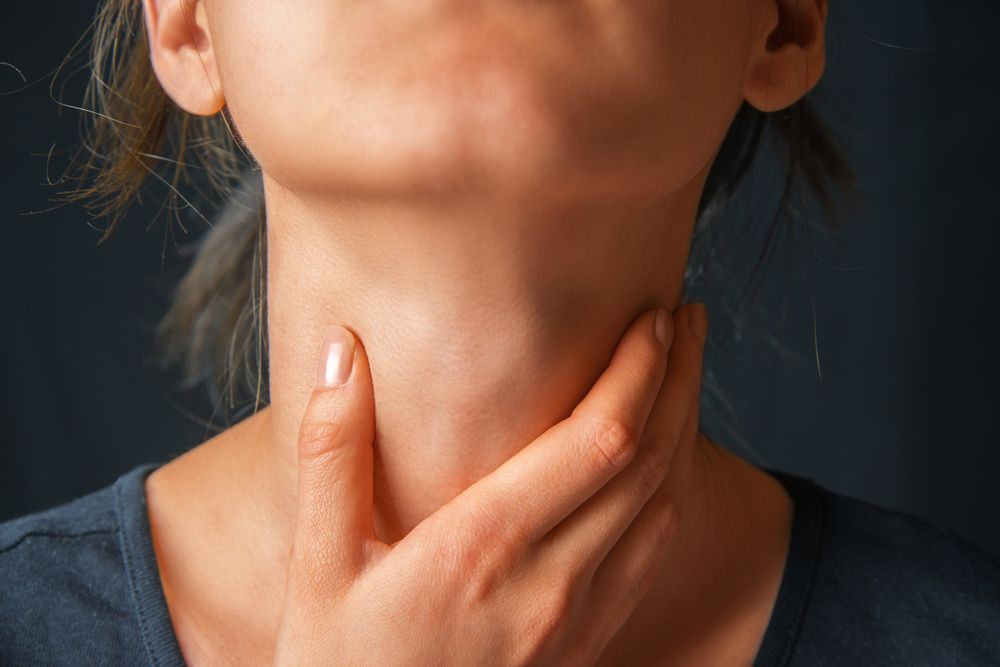
- A visible swollen neck may signal a thyroid gland issue.
How Thyroid Problems Affect Daily Life
Hormonal imbalance disrupts everyday activities. Low energy levels reduce productivity. Sudden mood changes affect personal relationships. Sleep disturbances interfere with rest and mental clarity. Weight changes impact confidence and health. Digestive issues become more frequent and uncomfortable. Addressing thyroid problems improves overall well-being.
Diagnosis and Medical Evaluation
Doctors use several tests to identify thyroid disorders. A physical exam helps detect swelling or lumps. Blood tests measure hormone levels accurately—TSH, T3, and T4 tests reveal the type of disorder. In some cases, imaging tests detect nodules or inflammation. Early testing offers better treatment results. Regular check-ups help monitor long-term progress.
Effective Treatment Options
Treatment depends on the specific thyroid condition. Hypothyroidism often requires daily hormone replacement to restore balance. Hyperthyroidism may need anti-thyroid medications to reduce hormone production; some patients undergo radioactive iodine therapy or, rarely, surgery. Lifestyle changes support better symptom control.
Diet and Lifestyle Tips for Better Thyroid Health
- Include foods rich in iodine, selenium, and zinc.
- Favor whole grains, lean proteins, and fresh vegetables.
- Maintain regular physical activity to support metabolism.
- Reduce stress through sleep, relaxation techniques, and mindful practices.
- Avoid excessive processed foods and stay well hydrated.
Preventive Measures to Reduce Thyroid Risks
- Schedule regular health check-ups for early detection.
- Manage stress and maintain a healthy weight.
- Avoid smoking and consider iodized salt to prevent deficiency where appropriate.
- Stay informed and act on early warning signs.
When to Seek Medical Help
- Persistent symptoms such as constant fatigue or mood swings.
- Sudden unexplained weight changes.
- A visible neck swelling or lumps.
- Irregular heartbeat or other worrying cardiovascular symptoms.