Empowering lives in the fight against diabetes. Together, we can turn the
tide and make a lasting impact on the battle against this chronic condition.
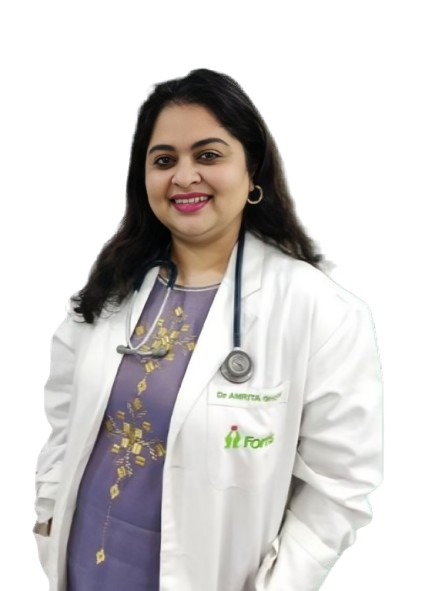
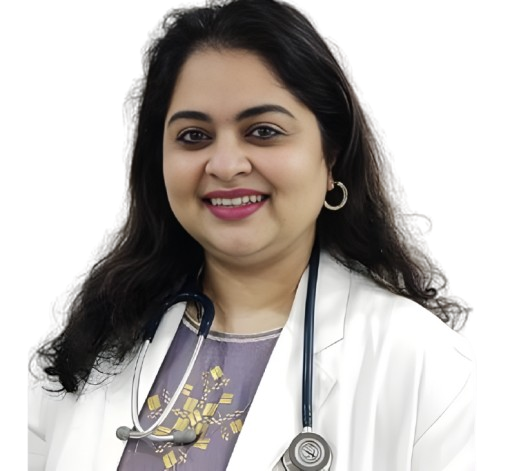
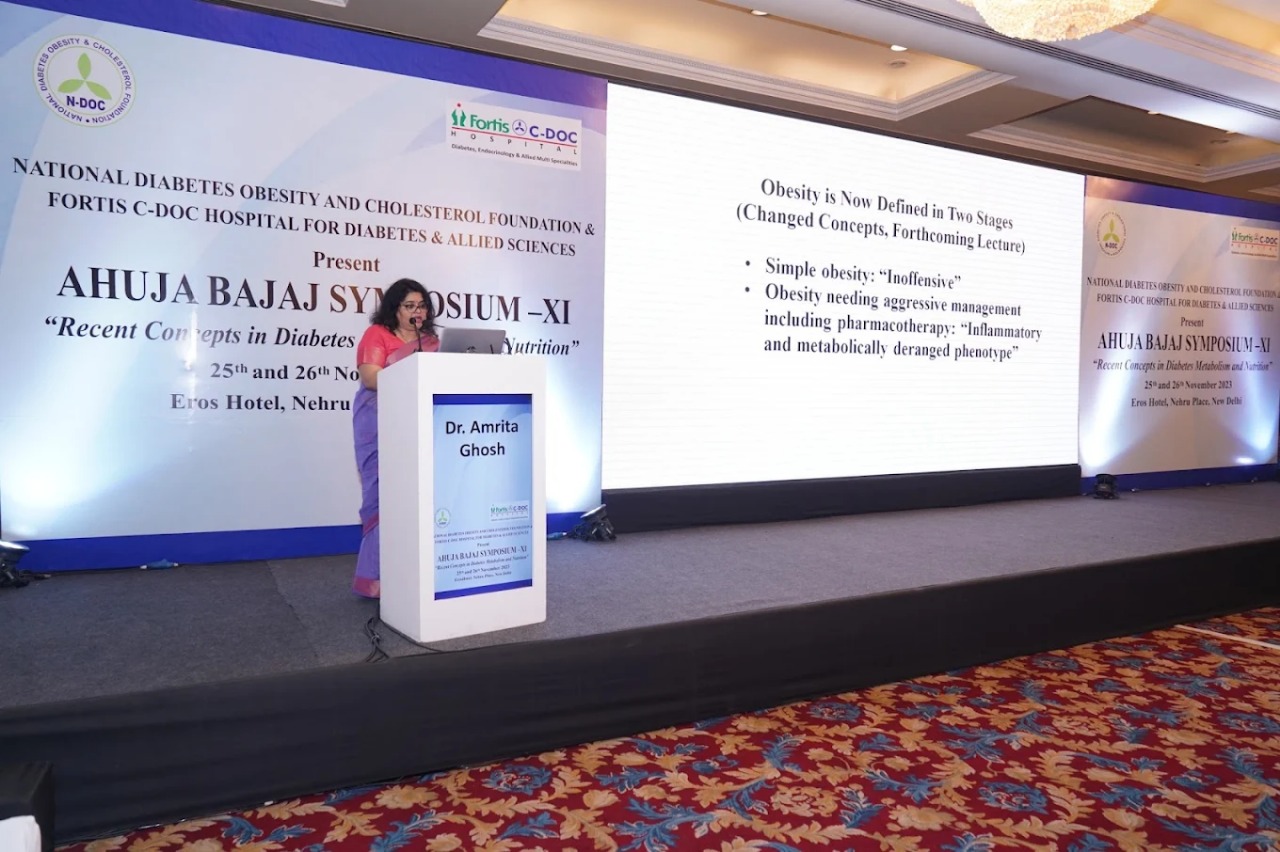
Dr. Amrita Ghosh is one of the best endocrinologist in Delhi
NCR.
She has extensive experience in treating diabetes as well as hormonal
disorders. These conditions can affect health, and a holistic approach
ensures complete well-being.
Balance Your Hormones Balance Your Life
Patient care with a holistic approach to thyroid management and advanced
medical research in endocrinology and metabolism.
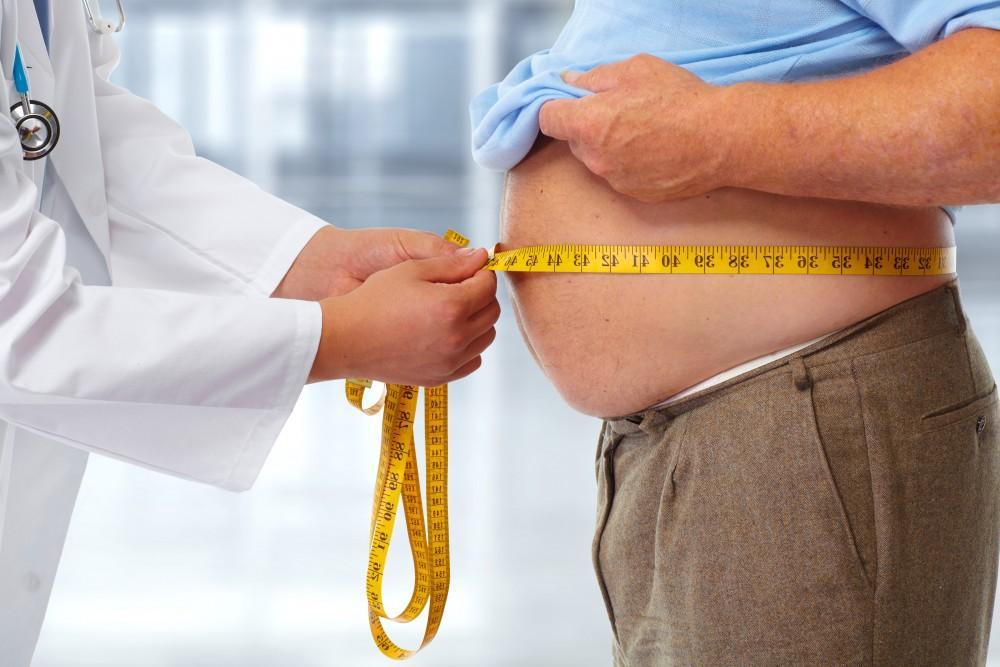
Metabolic syndrome is a cluster of conditions that increase the risk of heart
disease, stroke, and diabetes. It includes high blood pressure, high blood
sugar, excess body fat around the waist, and abnormal cholesterol levels.
Hormonal health is essential for overall well-being, affecting mood, energy
levels, metabolism, and reproductive health. Our clinic provides
comprehensive care for hormonal imbalances and related conditions.
Gestational diabetes is a type of diabetes that develops during pregnancy and
can affect the health of both mother and baby. Our clinic offers specialized
care to manage this condition effectively.
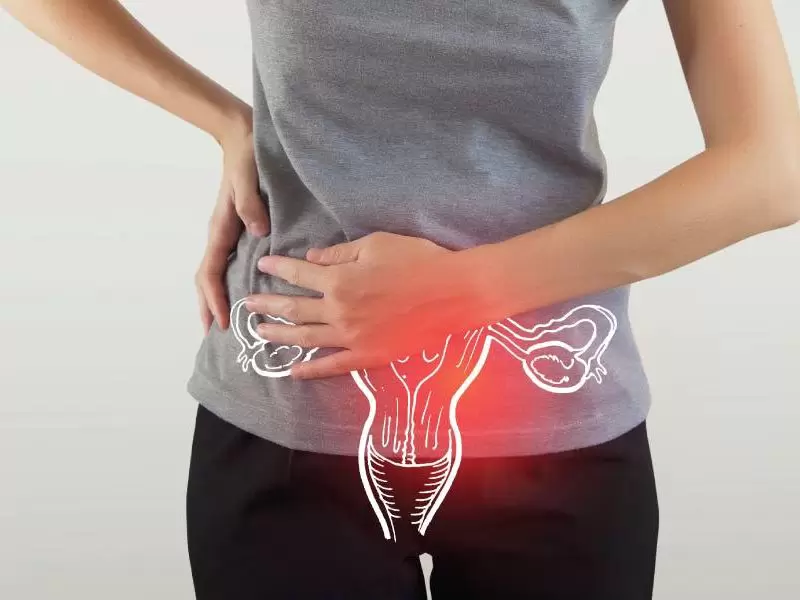
PCOS (Polycystic Ovary Syndrome) and PCOD (Polycystic Ovary Disease) are
common hormonal disorders affecting women of reproductive age. Our clinic
provides effective treatment plans to manage symptoms and improve
reproductive health.
Dr. Amrita Ghosh PG Diploma (Endocrinology, USW,
UK)
PG Diplóma (Clinical Endocrinology and Diabetes, RCP, UK)
Fellowship of Dabetes Research Centre, Chennai
Dr.Ghosh has completed her graduation from Govt. Medical College Nagpur, Post Graduate
diploma and fellow ship in Diabetes from M.V Hospital for Diabetes and Professor
M.Viswanathan Diabetes Research Centre (WHO collaborating centre) and Post graduate
diploma in Clinical Endocrinology and Diabetes, certified by Royal college of Physicians
, UK. Her main areas of interest lies in type 1diabetes and new technology related to
diabetes management, gestation diabetes. She is actively involved in Type 1 Diabetes
advocacy and support groups. She has publication is international journals and member of
international bodies.
There are two main types of diabetes: Type-1 diabetes is insulin-dependent diabetes
which is caused due to a lack of insulin production. Type-2 diabetes is
non-insulin-dependent diabetes which is caused due to the ineffective use of insulin
in our body
Diabetes occurs when the pancreas does not secrete an adequate amount of hormone
called insulin or the body does not respond properly to insulin. It causes an
imbalance between the effects of insulin and glucagon and results in an endocrine
condition called diabetes.
For high blood sugar level, the symptoms include extreme thirst, frequent urination,
dry skin, hunger, blurred vision, drowsiness and nausea. Whereas for low blood sugar
level, the symptoms include shaking, fast heartbeat, sweating, anxiety, fatigue,
headache, irritability, dizziness, hunger and impaired vision
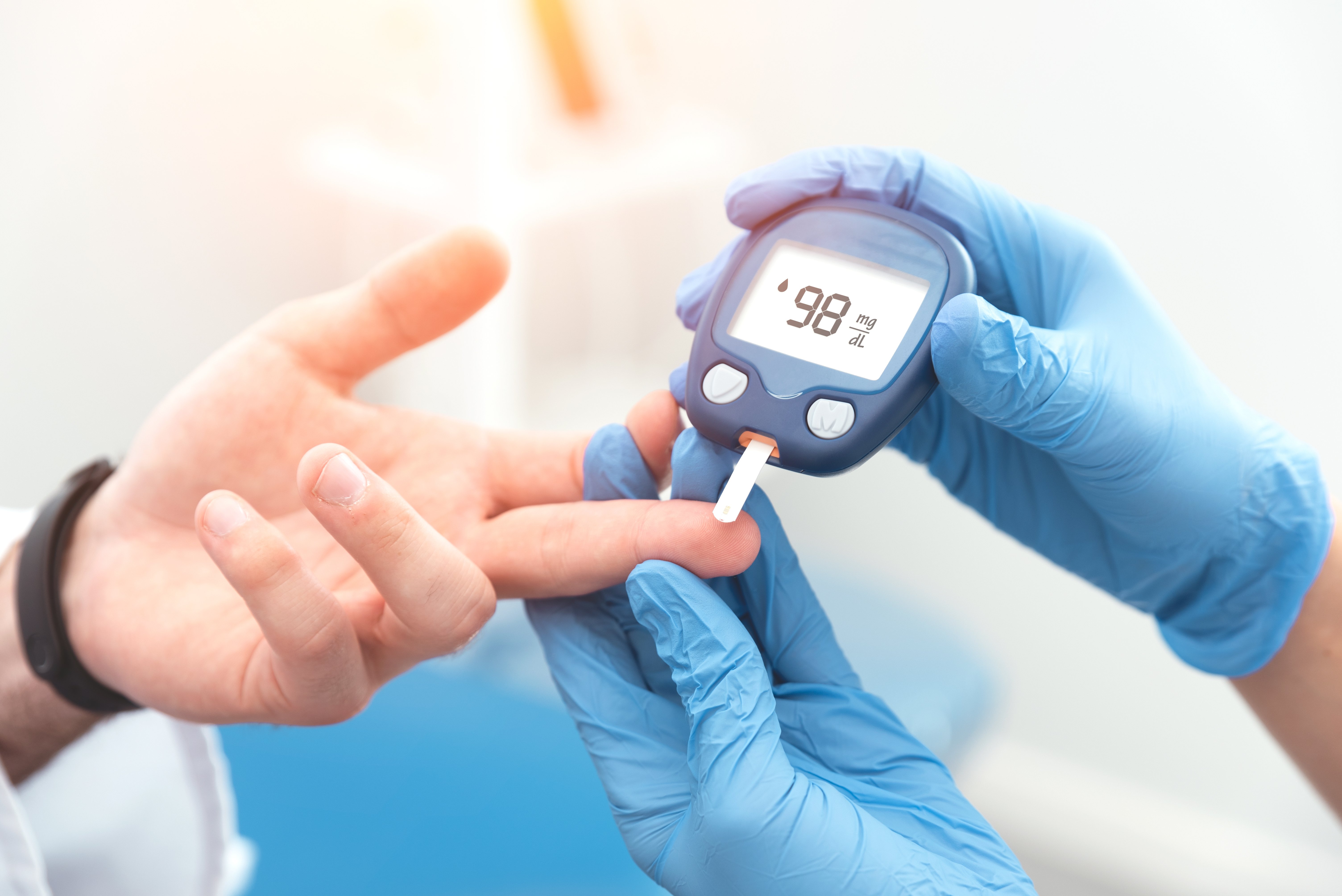
The normal blood sugar level for an adult should be between 4.0 to 5.4 mmol/L (72 to
99 mg/dL) when fasting and up to 7.8 mmol/L (140 mg/dL) 2 hours after meals
Yes, they are interchangeable terms. A doctor or physician who specializes in the
diagnosis and treatment of diseases concerning the hormone is called a hormone
specialist or endocrinologist.
Yes, most of the diseases are treatable but first, we need to understand why the
hormone level is high or low by various tests, especially blood tests
If you experience symptoms of hormone-related diseases like sudden weight loss or
gain, acne, facial hair in women, infertility, feeling too cold or too hot, change
in voice, feeling too tired and severe hair loss.
They are Diabetes,Hyperthyroidism, Hypothyroidism, Adrenal insufficiency (Addison
disease), Hypopituitarism, Diabetes insipidus, Cushing's disease, Osteoporosis,
Calcium and sodium disorders, Secondary hypertension, Acromegaly-Gigantism,
Polycystic ovary syndrome(PCOD), Multiple endocrine neoplasia I and II, and Short
Stature, Precocious and delayed puberty