Blood Pressure
Blood pressure plays a vital role in overall health. It measures the force of blood pushing against artery walls. When this pressure becomes too high or too low, serious health issues can develop. Proper knowledge helps prevent complications and improves long-term well-being.
Blood pressure shows how hard the heart works to pump blood. It has two readings. Systolic pressure measures the force when the heart beats. Diastolic pressure shows the pressure when the heart rests. A healthy range keeps the body functioning smoothly.
Types of Blood Pressure Problems
Blood pressure issues fall into two main categories. High blood pressure, or hypertension, occurs when pressure stays above normal. Low blood pressure, or hypotension, happens when it drops too low. Both conditions affect daily life and may cause major health concerns.
Causes of High and Low Blood Pressure
Many factors influence blood pressure levels:
- Poor diet and high salt intake increase hypertension risk.
- Lack of exercise weakens the heart and raises pressure.
- Stress triggers temporary spikes that may become persistent.
- Smoking damages arteries and elevates pressure.
- Dehydration often leads to low blood pressure.
- Certain medications and medical conditions can cause abnormal readings.
Common Symptoms to Notice
- High blood pressure: headaches, dizziness, shortness of breath during activity, chest pain, blurred vision (may indicate severe hypertension).
- Low blood pressure: fatigue, weakness, fainting, cold or clammy skin.
- Recognizing these symptoms helps prevent complications.
How Blood Pressure Affects Health
Abnormal blood pressure impacts many organs. Hypertension strains the heart and increases the risk of stroke. It damages blood vessels and affects kidney function. Vision problems can develop when high pressure harms eye vessels. Low blood pressure reduces blood flow to critical organs, limiting oxygen supply and causing confusion or instability. Proper management protects long-term health.
Diagnosis and Monitoring
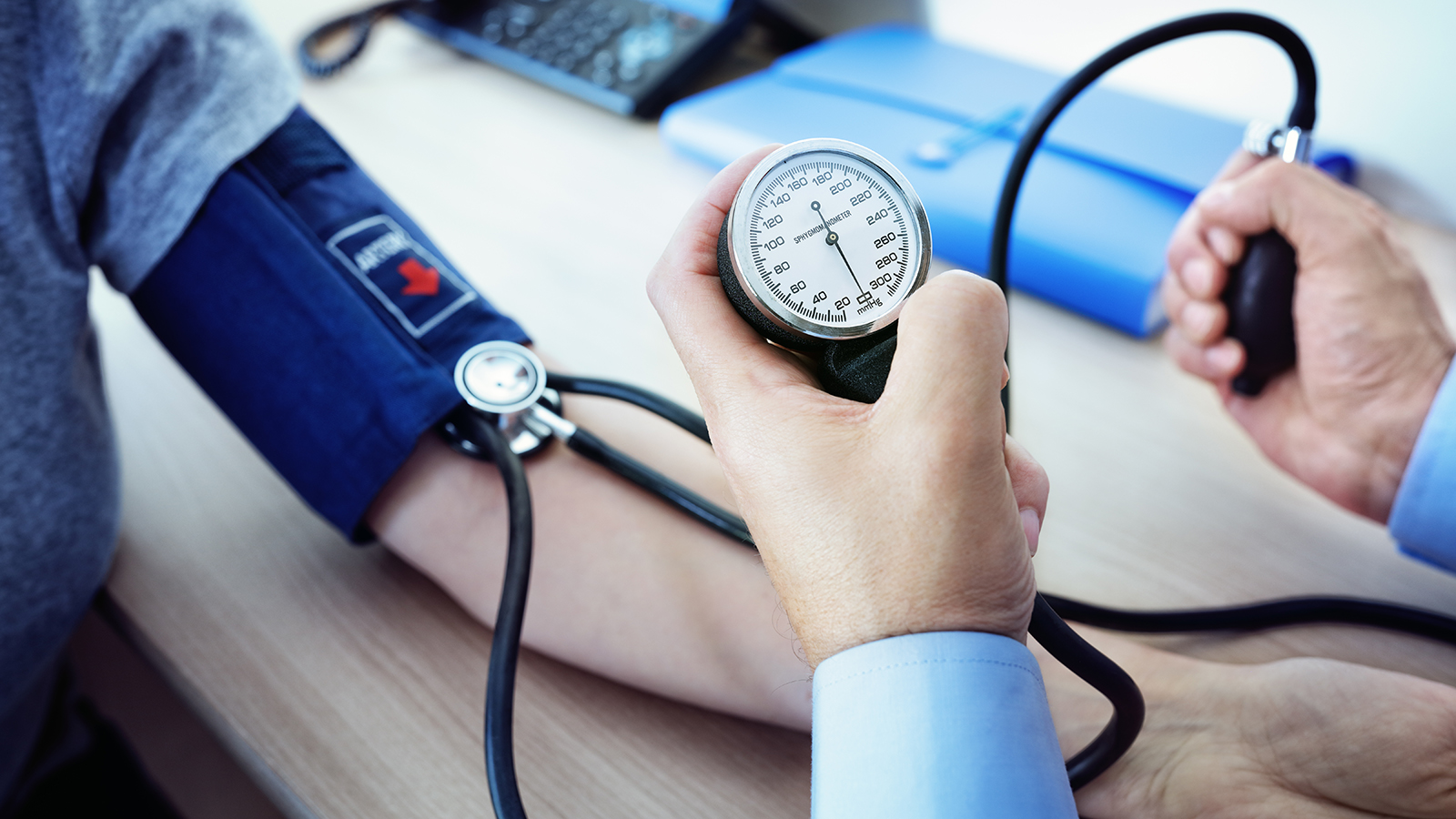
Regular monitoring helps detect changes early. Doctors use a blood pressure cuff to measure levels accurately and take multiple readings for correct diagnosis. Blood tests may identify underlying issues, and electrocardiograms check heart rhythm. Continuous monitoring helps track improvement or worsening.
Effective Treatment Options
Treatment depends on the type of blood pressure issue. Hypertension may require medication to lower pressure safely combined with lifestyle changes. Hypotension often improves with hydration and dietary adjustments; medication may be prescribed if symptoms persist. Each plan focuses on restoring balance and preventing risks.
Diet and Lifestyle Tips for Healthy Blood Pressure
- Follow a low-salt diet and favor fresh fruits and vegetables.
- Regular exercise strengthens the heart and improves circulation.
- Maintain a healthy weight and limit caffeine and alcohol.
- Practice stress management techniques and ensure adequate sleep.
- Stay hydrated to help prevent low blood pressure episodes.
Preventive Measures for Long-Term Control
- Schedule routine check-ups to catch early changes.
- Avoid smoking and stay physically active.
- Maintain consistent healthy habits and manage stress.
- Drink enough water and follow medical advice for any chronic conditions.
When to Seek Medical Attention
- Severe headaches, chest pain, or shortness of breath require urgent evaluation.
- Fainting episodes or sudden unexplained weakness are concerning.
- Rapid or irregular heartbeat or persistent alarming symptoms should prompt immediate medical consultation.